Crafting Inviting Outdoor Pathways: Unique Ideas for Your Landscape Nov 14, 2025
The first step in designing an impactful outdoor pathway is choosing the right material. Natural stone is a classic option that offers timeless appeal and blends well with various landscapes. Flagstone or slate offers a durable surface with a unique texture, perfect for adding character to your outdoor area. Alternatively, brick pathways provide a warm, rustic charm and can be arranged in various patterns like herringbone or basket weave for visual interest.
If you're looking to incorporate a contemporary touch, consider using concrete. Concrete pathways can be molded into almost any shape, offering a sleek and modern aesthetic. Stamped concrete, in particular, mimics the look of natural stone or tile, providing high-end appeal at a lower cost. For eco-friendly options, consider utilizing reclaimed materials. Old bricks or pavers can be repurposed effectively, reducing waste while giving your pathway a distinct, historical vibe.
Incorporating lighting into your pathway design is another crucial step. Solar-powered lights are both energy-efficient and environmentally friendly, requiring minimal maintenance. Placing lights strategically along the pathway can enhance safety and create a welcoming ambiance as the sun sets. Consistent lighting can guide guests safely while subtly emphasizing the features of your landscape.
Softly highlighting the edges of the path with plants or features can enhance the natural appeal. Low-growing perennials or groundcovers along the border can soften the transition between various garden areas. Consider using native plants, which are adapted to your region's climate and require less water and maintenance, making them a practical and sustainable choice.
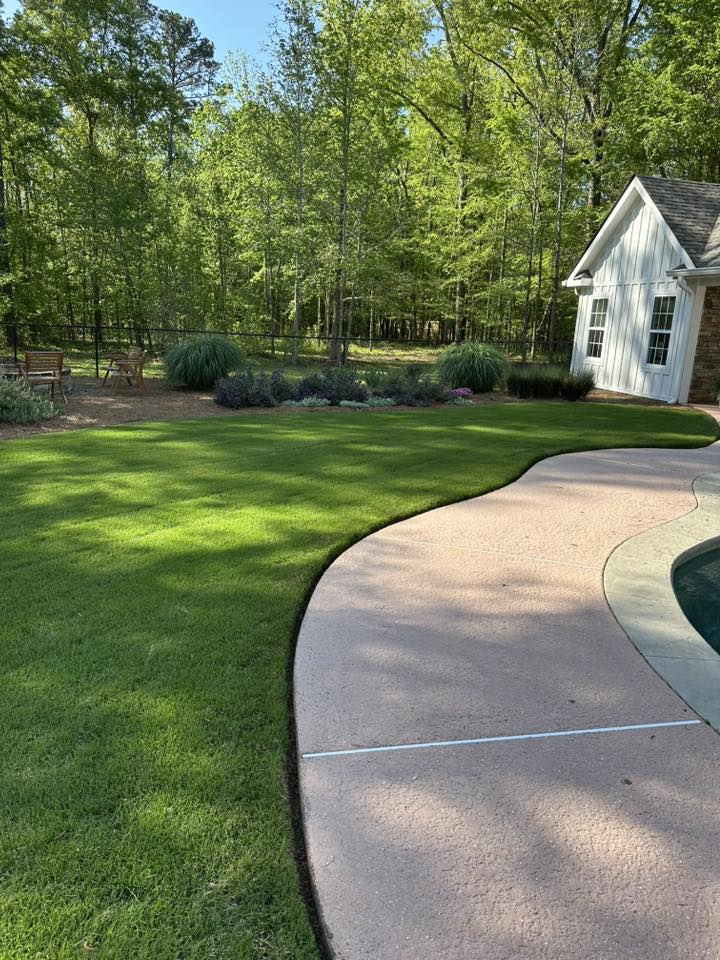
For those desiring an artistic flair, incorporating curves and arcs into your pathway can provide a sense of intrigue and movement. A serpentine path not only captures the eye but also prolongs the journey, allowing visitors more time to appreciate your garden's beauty. This dynamic layout can create small, secluded areas perfect for seating or feature plants, offering a sense of discovery.
Beyond aesthetics, consider the practical aspects of pathway design. Ensure that pathways are appropriately sized for their intended use. A width of at least three feet is recommended for walking areas to allow comfortable passage. If your home experiences significant traffic, durable materials such as stone or concrete are ideal to withstand repeated use.
Ultimately, the goal is to create pathways that are as functional as they are beautiful. Consulting with experts like Jameson's Landscaping & Pressure Washing can ensure that every aspect, from material choice to installation, meets your unique needs and enhances your landscape.
Crafting an inviting outdoor pathway is a rewarding project that can significantly elevate your property’s curb appeal. When thoughtfully designed, these pathways do more than connect different areas of your garden; they weave together elements of style, function, and sustainability. By blending creativity with practicality, your landscape will reflect your personal taste and stand as a testament to nature's beauty. Whether for relaxation, entertainment, or simple navigation, an expertly crafted pathway by Jameson’s Landscaping can turn an outdoor area into your own private paradise.
/filters:no_upscale()/filters:format(webp)/media/b9393078-dc32-4b3f-8728-8f00a304917c.png)
/filters:no_upscale()/filters:format(webp)/media/8aa2639b-1eae-48ba-bdb3-3094dae60399.jpg)