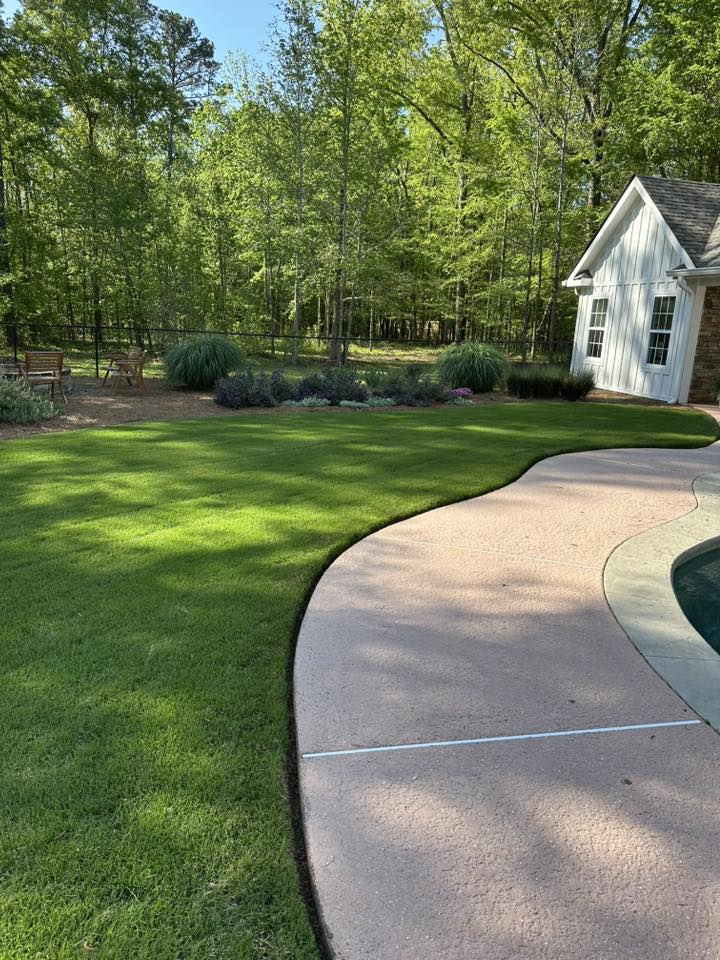
Nature-Driven Design: Integrating Wildlife Habitats into Modern Landscapes Jul 05, 2026
Integrating wildlife habitats starts with understanding your local ecosystem. Every region has its unique flora and fauna, and choosing native plants is crucial. Native plants are better adapted to the local climate, require less maintenance, and provide food and shelter for local wildlife. By selecting species that bloom and bear fruit at different times throughout the year, you create a rich tapestry of life that supports a variety of animals, from pollinators like bees and butterflies to birds and small mammals.
A key principle of nature-driven design is creating diverse habitats. Incorporate features such as ponds, rock gardens, and small thickets. Ponds, for instance, can attract a wide range of species, from frogs and dragonflies to songbirds that come to drink or bathe. Rock gardens can provide nooks and crannies for creatures like lizards and insects. Dense plantings or thickets offer nesting sites and protection from predators. By diversifying the landscape, you create a resilient ecosystem capable of supporting life throughout the year.
Water features play an essential role in integrating wildlife habitats into landscapes. Not only do they enhance the overall ambiance of your garden, but they also serve as vital resources for wildlife. Consider adding a birdbath or a small waterfall to provide a continuous source of fresh water. Ensure that the water features have a shallow edge to allow small animals safe access. Remember, these elements should mimic natural habitats where possible, encouraging wildlife to visit and settle.
Another effective strategy is layering vegetation. This approach involves planting groundcovers, shrubs, and trees of varying heights to mimic the structure of natural habitats. Groundcover plants, such as clover or thyme, provide shelter for insects and small mammals. Mid-level shrubs and bushes, like elderberry or holly, offer nesting sites and food. Finally, tall trees like oaks and pines serve as the upper canopy, offering habitat to birds and squirrels. Each layer plays a specific role in supporting biodiversity.
Moreover, pesticide-free gardening is a cornerstone of a nature-driven landscape. Pesticides can harm beneficial insects, disrupt food chains, and reduce biodiversity. Instead, consider eco-friendly alternatives like companion planting or natural pest deterrents. Jameson's Landscaping & Pressure Washing promotes sustainable practices that protect both your garden and the broader environment.
As you endeavor to design a landscape that supports wildlife, keep in mind the beauty and relaxation that a nature-driven design can offer. Watching birds nesting in your shrubs or butterflies fluttering among your flowers provides a sense of peace and satisfaction. Not only do these landscapes offer a sanctuary for you, but they also contribute positively to the global environment.
By embracing nature-driven design, you're not just beautifying your property but fostering an environment rich in biodiversity. Through strategic planting, water feature inclusion, vegetation layering, and sustainable practices, you can transform your backyard into a wildlife haven. Let Jameson's Landscaping & Pressure Washing help you achieve a harmonious balance between modern design and natural beauty, where every creature finds a home. Let your landscape be a testament to the beauty and importance of nurturing our natural world.
/filters:no_upscale()/filters:format(webp)/media/b9393078-dc32-4b3f-8728-8f00a304917c.png)
/filters:no_upscale()/filters:format(webp)/media/8aa2639b-1eae-48ba-bdb3-3094dae60399.jpg)