The Art of Hardscaping Geometry: Creating Visually Striking Outdoor Spaces Jun 15, 2026
To begin with, what exactly is hardscaping? Hardscaping refers to the non-plant elements of landscaping which include patios, walkways, retaining walls, and other structures. Unlike softscaping, which changes with the seasons, hardscaping is a permanent fixture that provides durability and structure. Effective hardscaping requires a keen understanding of geometry, ensuring that each element complements the rest and contributes to the overall aesthetic of the space.
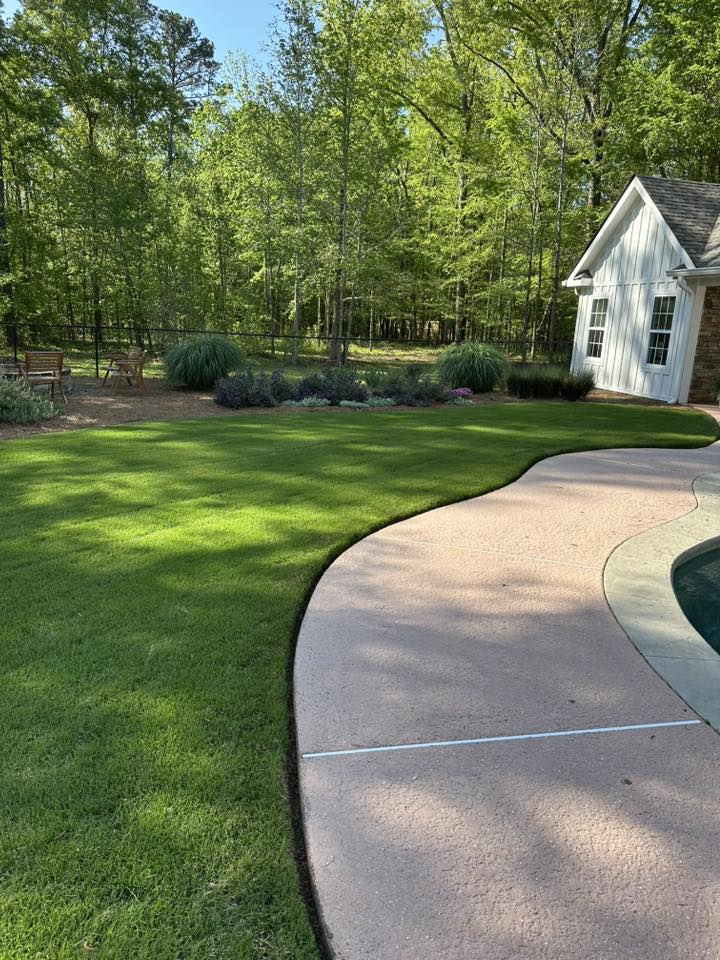
Geometry plays a crucial role in hardscaping by offering a foundation for designing outdoor spaces that are both functional and visually pleasing. Consider the use of shapes—circles, squares, and rectangles can infuse unique patterns and layers into your garden, creating a sense of order and harmony. For instance, circular patios can serve as inviting focal points, turning your outdoor space into a relaxing retreat, while staggered square pavers can lead the eye naturally through a garden pathway.
Moreover, symmetry and balance are essential considerations in hardscaping. They not only contribute to a balanced aesthetic but also help create spaces that feel comfortable and intentionally designed. By strategically placing features like benches, planters, and outdoor lighting, homeowners can create a symphony of visual delight. Here at Jameson’s Landscaping & Pressure Washing, our experts work closely with clients to ensure that every stone and every element aligns perfectly with their vision.
Functionality shouldn't be overlooked when designing with hardscaping geometry. The use of lines and angles, for instance, can guide foot traffic through a space, effectively linking one area to another. Level changes, such as steps and retaining walls, can be both practical and beautiful, adding dimension and interest while addressing landscape challenges like slopes. By focusing on both form and function, hardscaping can transform an ordinary yard into a dynamic and livable outdoor extension of your home.
For those considering elevating their outdoor experience, texture is another significant aspect of hardscaping. Textures can contrast or complement the shapes you incorporate, adding depth to your design. Smooth stones juxtaposed with rough gravel can define areas within your garden and create a tactile invitation for guests to explore. It’s the careful consideration of these textures that turns a simple yard into a vibrant landscape.
Lastly, color selection can profoundly impact the emotional response to your hardscaping. Earth tones are typically soothing and blend seamlessly with nature, while bold colors can make a striking impression and highlight specific areas. Every color choice should aim to enhance the geometry and overall design of your space.
In conclusion, the art of hardscaping geometry goes beyond mere aesthetics. It requires comprehensive planning and an eye for detail to create outdoor spaces that are practical, harmonious, and inspiring. At Jameson’s Landscaping & Pressure Washing, we are passionate about helping homeowners craft their ideal outdoor environments. Our expertise in hardscaping ensures that your outdoor space is not only an extension of your personal style but also a functional space that adds value and beauty to your home. The next time you envision your perfect garden, consider the role of geometry in making that vision a reality.
/filters:no_upscale()/filters:format(webp)/media/b9393078-dc32-4b3f-8728-8f00a304917c.png)
/filters:no_upscale()/filters:format(webp)/media/8aa2639b-1eae-48ba-bdb3-3094dae60399.jpg)